Dead Tree Removal in Bucks County, PA
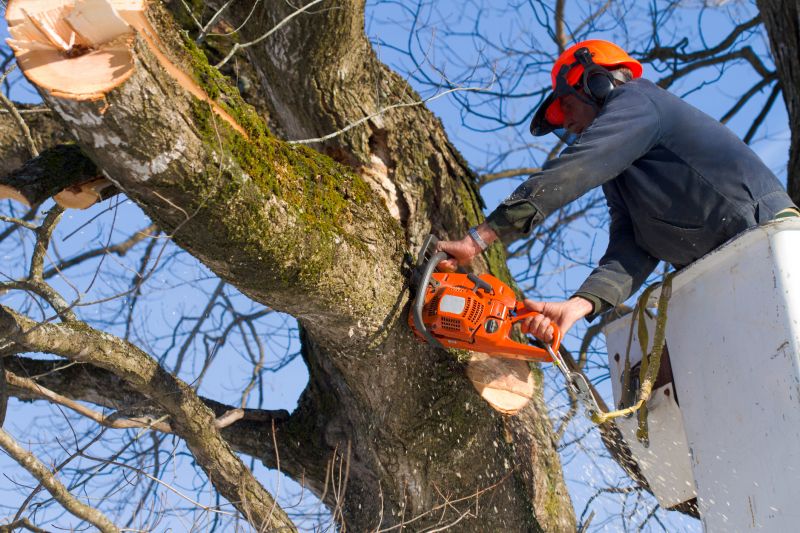
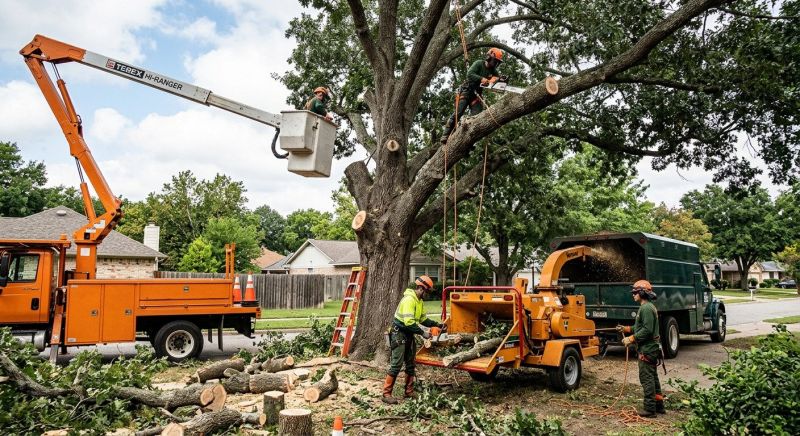
Dead tree removal services involve safely removing trees that are dead, dying, or pose a risk to property or safety. This process typically includes assessing the condition of the tree, planning the safest approach for removal, and then carefully cutting and removing the tree and its debris. Projects may range from removing a single hazardous tree to clearing multiple dead trees from a property, often to prevent potential damage during storms or to improve landscape safety and appearance.
Property owners considering dead tree removal usually want to understand the scope of the work, including how the tree will be dismantled and what will happen to the debris. It’s important to evaluate whether the tree is located near structures, power lines, or other valuable landscape features, as these factors influence the removal approach. Additionally, understanding the potential impact on the landscape and any necessary cleanup can help homeowners plan accordingly before requesting this service.
Many property owners in Bucks County, PA look into Dead Tree Removal for repairs, replacements, upgrades, and appearance-related improvements.
Reasons For Dead Tree Removal
Removing dead trees helps prevent property damage and enhances safety on bucks county properties.
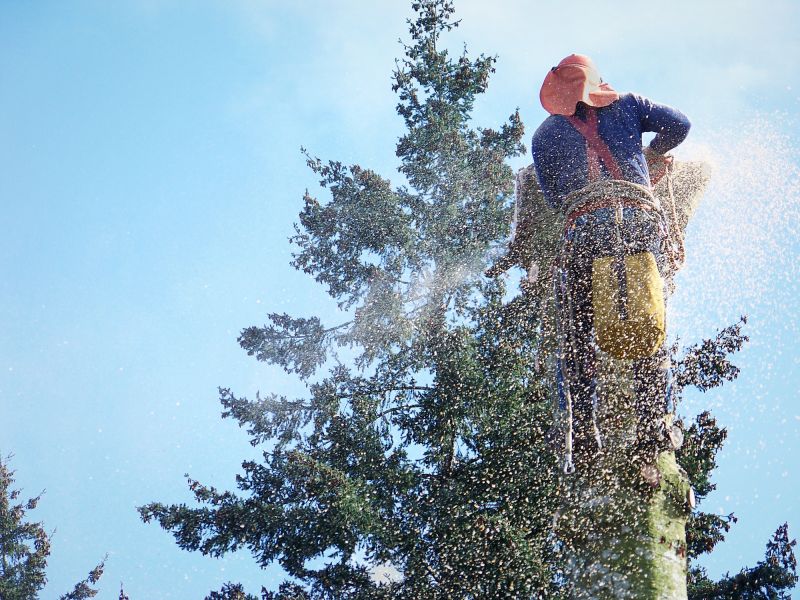
Signs A Tree Needs Removal
Indicators include decay, dead branches, or leaning trees that pose risks to nearby structures.
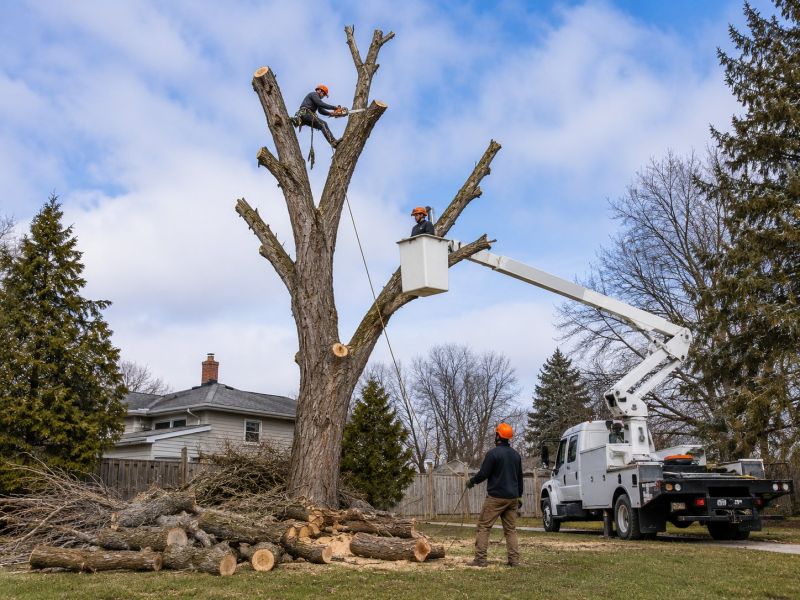
Benefits Of Dead Tree Removal
Clearing out dead trees improves landscape appearance and reduces the chance of pest infestations.
Dead Tree Removal in Bucks County, PA
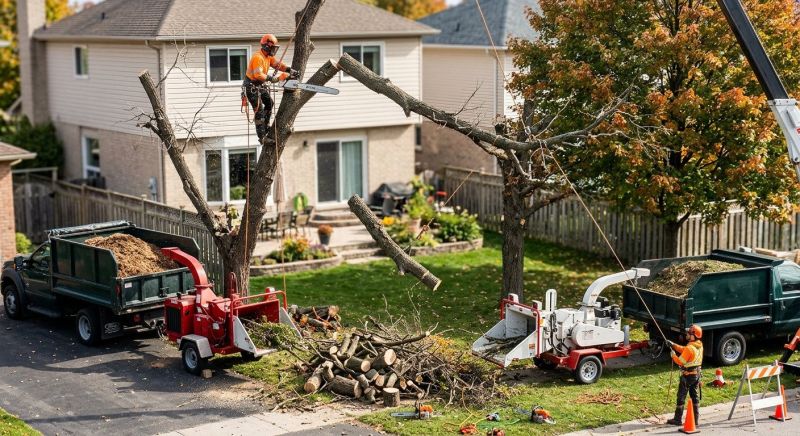
Dead tree removal services involve safely removing trees that are dead, dying, or pose a risk to property or safety. This process typically includes assessing the condition of the tree, planning the safest approach for removal, and then carefully cutting and removing the tree and its debris. Projects may range from removing a single hazardous tree to clearing multiple dead trees from a property, often to prevent potential damage during storms or to improve landscape safety and appearance.
Property owners considering dead tree removal usually want to understand the scope of the work, including how the tree will be dismantled and what will happen to the debris. It’s important to evaluate whether the tree is located near structures, power lines, or other valuable landscape features, as these factors influence the removal approach. Additionally, understanding the potential impact on the landscape and any necessary cleanup can help homeowners plan accordingly before requesting this service.
Many property owners in Bucks County, PA look into Dead Tree Removal for repairs, replacements, upgrades, and appearance-related improvements.
Common Dead Tree Removal Jobs
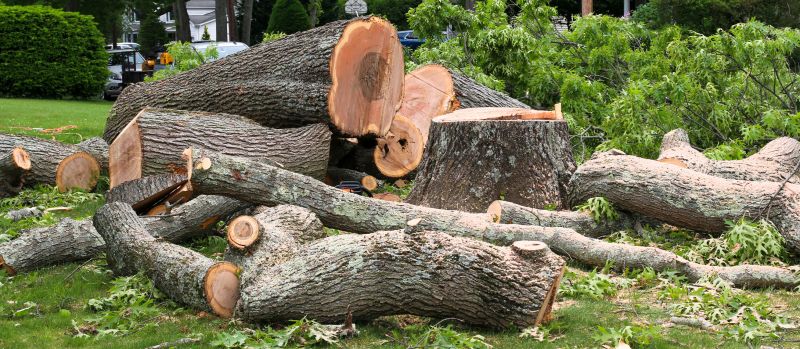
Dead tree removal involves safely cutting down and removing hazardous or unwanted trees from residential properties.
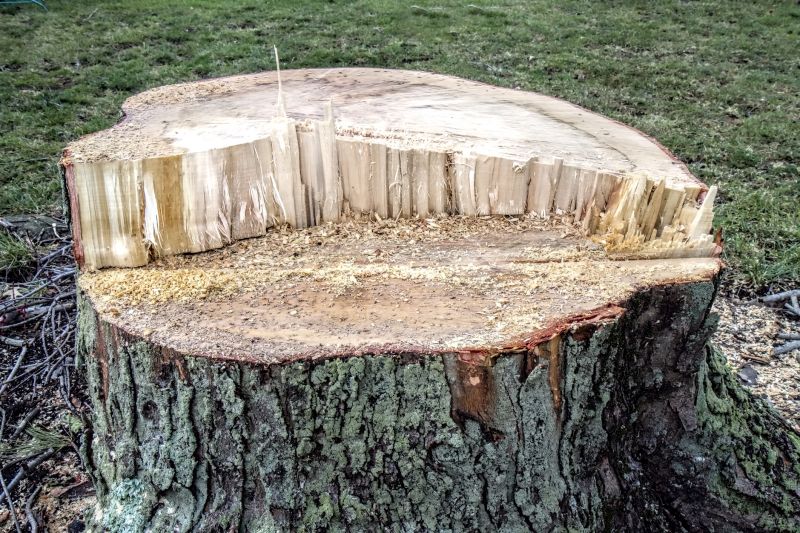
Stump grinding clears remaining tree stumps to prevent tripping hazards and improve landscape aesthetics.
Emergency tree removal addresses storm-damaged or fallen trees that pose immediate safety risks.
Selective tree removal removes specific trees to improve sunlight, airflow, or overall landscape health.
Hazard tree assessment evaluates trees for potential risks and determines the need for removal or intervention.
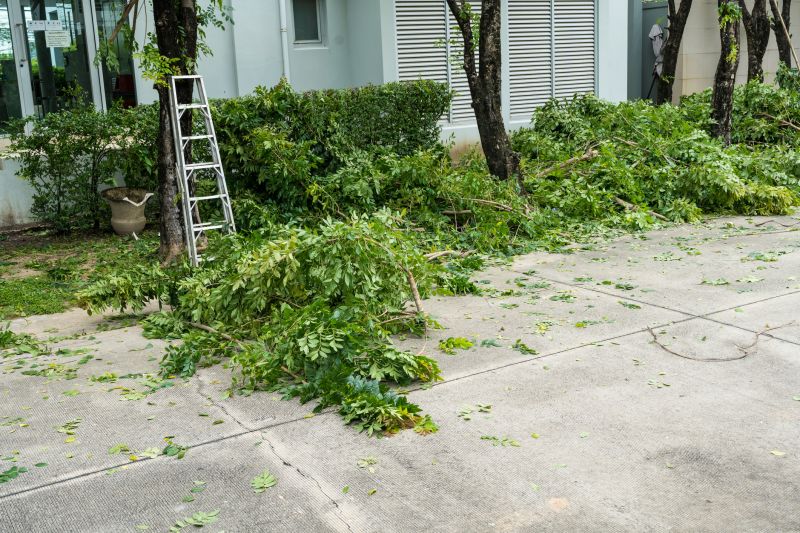
Property cleanup includes debris removal and site clearing after tree removal to restore the landscape.
Dead Tree Removal Questions
Why remove dead trees from a property? Dead trees can pose safety hazards, attract pests, and impact the landscape’s appearance.
What signs indicate a tree may need removal? Signs include dead or dying branches, fungal growth, and significant trunk damage.
Can dead tree removal protect nearby structures? Yes, removing unstable or rotting trees reduces the risk of damage to buildings and other property features.
What is the benefit of professional dead tree removal? Professionals ensure safe, efficient removal while minimizing impact on the surrounding landscape.
Request Dead Tree Removal in Bucks County, PA
Use the quote form on this page to share the basics of your project and request more information for the type of work you need.