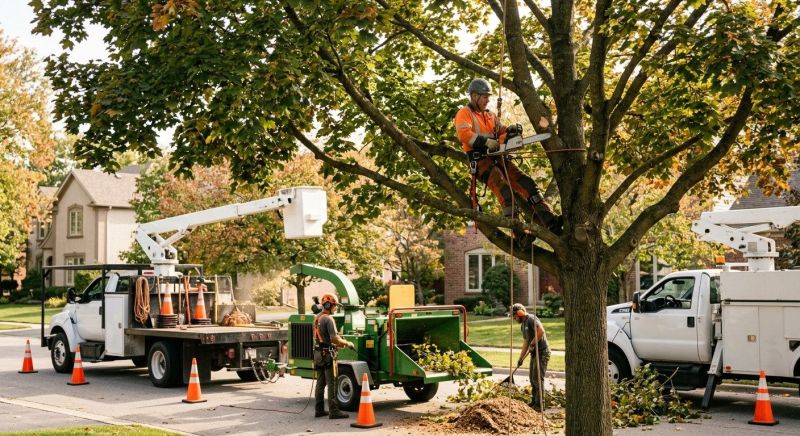
Japanese Maple Pruning in Doylestown, PA
Japanese Maple Pruning services involve carefully trimming and shaping Japanese maples to promote healthy growth and enhance their natural beauty. This service typically covers tasks such as removing dead or diseased branches, thinning out dense foliage, and shaping the tree to maintain its aesthetic appeal. Property owners often request pruning to improve airflow, reduce the risk of storm damage, or refine the overall appearance of their landscape. Before requesting pruning, homeowners should consider the specific goals for their tree, whether it’s maintaining a certain shape, encouraging new growth, or addressing any safety concerns related to overgrown branches.
Understanding the timing and proper techniques for Japanese Maple pruning is important for optimal results. Many property owners seek advice on the best season for pruning, usually during late winter or early spring, to minimize stress on the tree. It’s also useful to know that pruning should be done carefully to avoid damaging the delicate branches and to preserve the tree’s distinctive form. Clarifying the desired outcome and any existing issues can help ensure the pruning process supports the health and beauty of the Japanese maple over time.
Many property owners in Doylestown, PA look into Japanese Maple Pruning for repairs, replacements, upgrades, and appearance-related improvements.
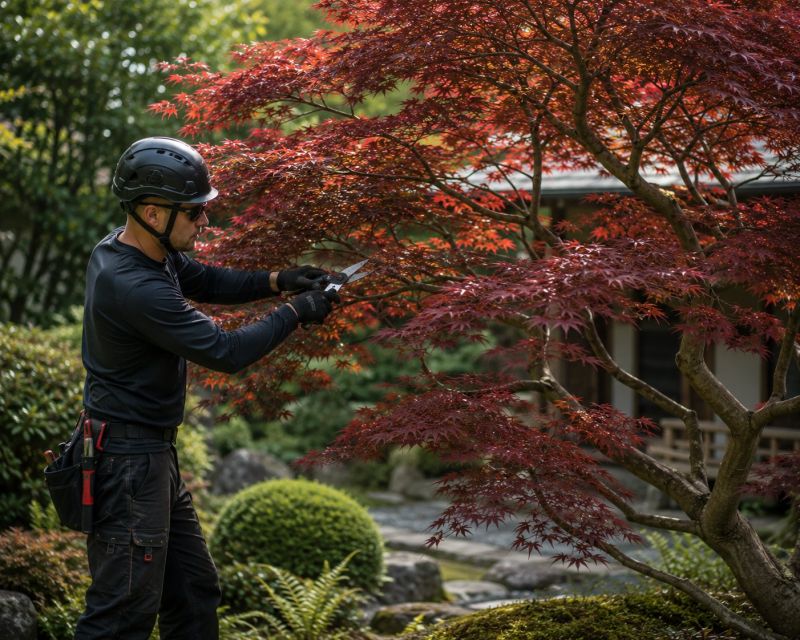
Pruning For Tree Health
Proper trimming helps maintain the vitality and longevity of japanese maples in doylestown properties.
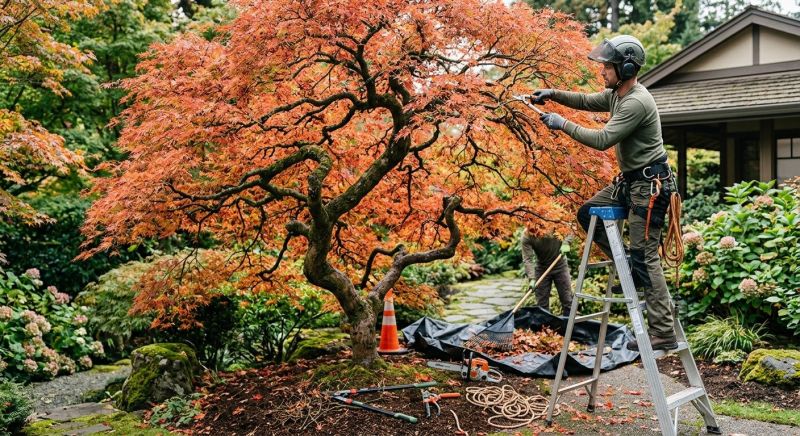
Shaping And Aesthetic Appeal
Pruning techniques enhance the natural beauty and desired form of japanese maples for a polished landscape look.
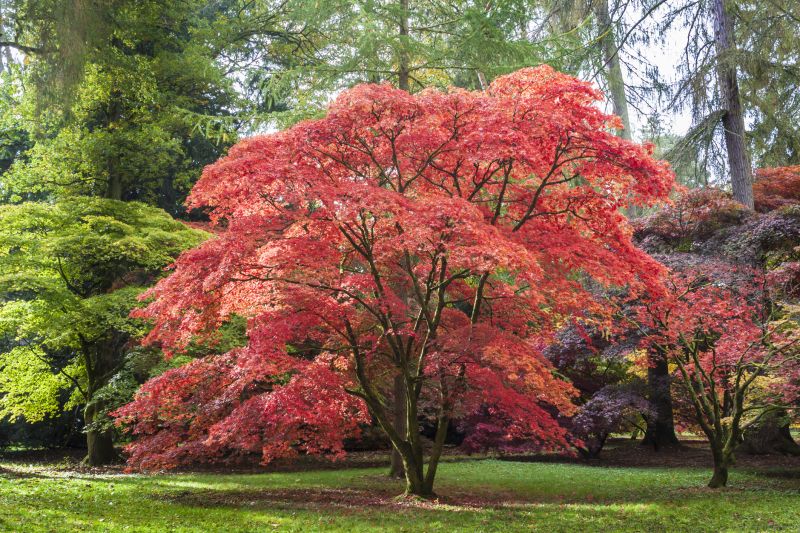
Safety And Clearance
Regular pruning reduces hazards by removing dead or overgrown branches near walkways and structures.
Japanese Maple Pruning in Doylestown, PA
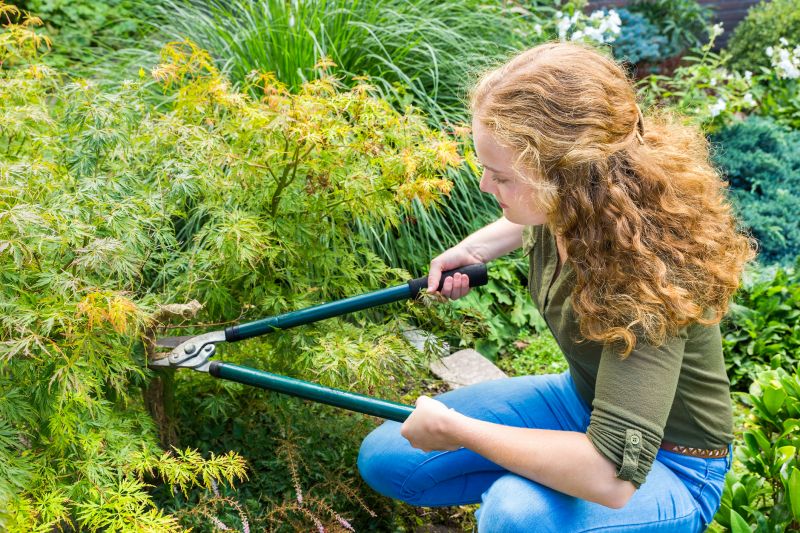
Japanese Maple Pruning services involve carefully trimming and shaping Japanese maples to promote healthy growth and enhance their natural beauty. This service typically covers tasks such as removing dead or diseased branches, thinning out dense foliage, and shaping the tree to maintain its aesthetic appeal. Property owners often request pruning to improve airflow, reduce the risk of storm damage, or refine the overall appearance of their landscape. Before requesting pruning, homeowners should consider the specific goals for their tree, whether it’s maintaining a certain shape, encouraging new growth, or addressing any safety concerns related to overgrown branches.
Understanding the timing and proper techniques for Japanese Maple pruning is important for optimal results. Many property owners seek advice on the best season for pruning, usually during late winter or early spring, to minimize stress on the tree. It’s also useful to know that pruning should be done carefully to avoid damaging the delicate branches and to preserve the tree’s distinctive form. Clarifying the desired outcome and any existing issues can help ensure the pruning process supports the health and beauty of the Japanese maple over time.
Many property owners in Doylestown, PA look into Japanese Maple Pruning for repairs, replacements, upgrades, and appearance-related improvements.
Common Japanese Maple Pruning Jobs
Japanese Maple Pruning Services - Proper pruning enhances the tree’s shape and overall health.
Tree thinning and shaping - Removing excess or crossing branches improves airflow and light penetration.
Deadwood removal - Clearing away dead or diseased branches helps prevent decay and pests.
Structural pruning - Correcting branch angles and growth patterns supports long-term stability.
Seasonal pruning - Trimming at the right times encourages vigorous growth and vibrant foliage.
Maintenance pruning - Regular care keeps Japanese maples healthy, attractive, and well-shaped.
Japanese Maple Pruning Questions
Why is pruning Japanese Maples important? Proper pruning helps maintain the tree’s shape, encourages healthy growth, and removes dead or damaged branches.
When is the best time to prune a Japanese Maple? The ideal time is late winter to early spring before new growth begins, or after the tree has finished leafing out in late spring or early summer.
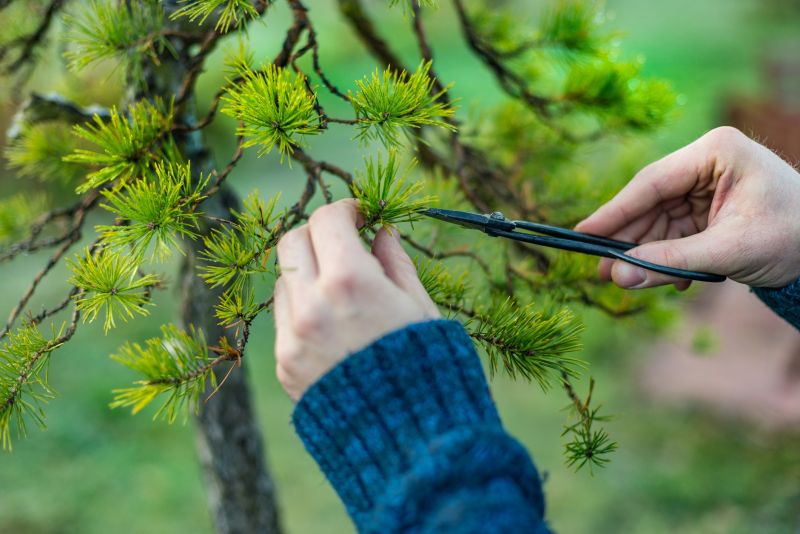
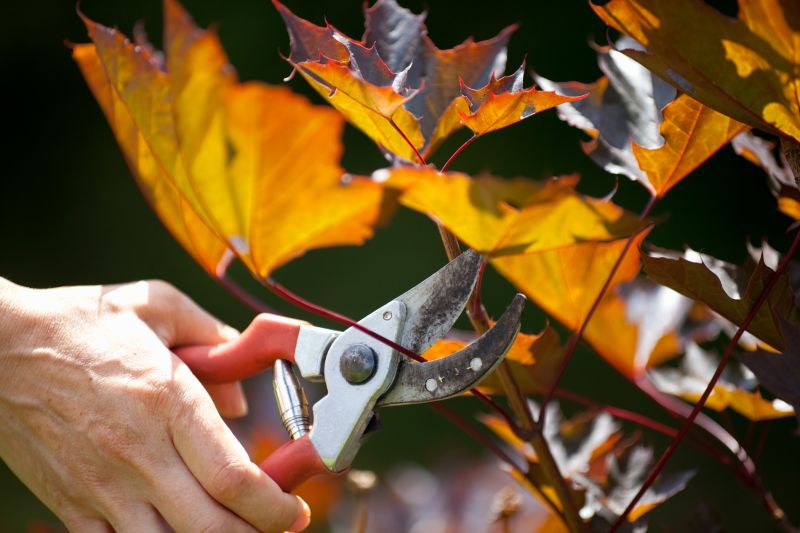
What tools are used for Japanese Maple pruning? Sharp pruning shears, loppers, and sometimes pruning saws are used to make clean cuts and avoid damaging the tree.
Can pruning improve the appearance of my Japanese Maple? Yes, strategic pruning can enhance the tree’s shape, promote better light penetration, and improve overall aesthetic appeal.
Request Japanese Maple Pruning in Doylestown, PA
Use the quote form on this page to share the basics of your project and request more information for the type of work you need.