Palm Tree Removal in San Jose, CA
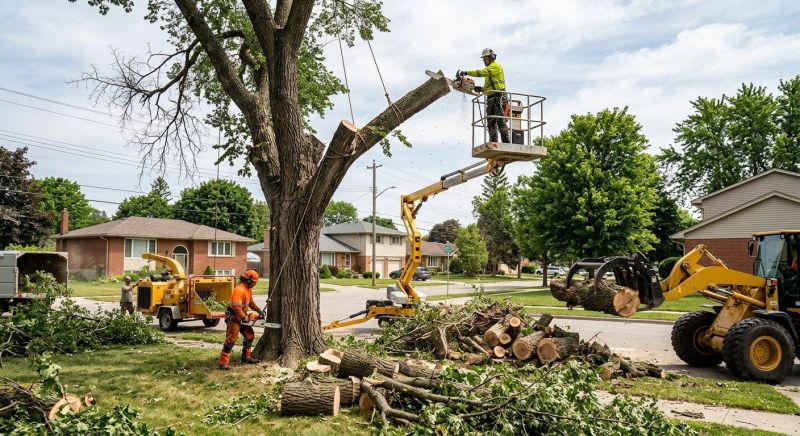
Palm tree removal services involve the safe and efficient removal of palm trees that are dead, diseased, or pose a hazard to property and safety. This process typically includes cutting down the tree, removing the trunk and fronds, and cleaning up debris from the site. Projects can range from removing a single problematic palm to clearing multiple trees for landscaping or construction purposes. Property owners often want to understand the scope of the work, the potential impact on their landscape, and any necessary permits or precautions before requesting removal services.
Homeowners considering palm tree removal usually seek information about the reasons for removal, such as overgrowth, disease, or storm damage, and how the process may affect their property. It's also common to inquire about the equipment used and the steps taken to prevent damage to nearby structures or plants. Understanding these details helps property owners make informed decisions about managing their landscape and ensuring safety during the removal process.
Many property owners in San Jose, CA look into Palm Tree Removal for repairs, replacements, upgrades, and appearance-related improvements.
Reasons For Palm Tree Removal
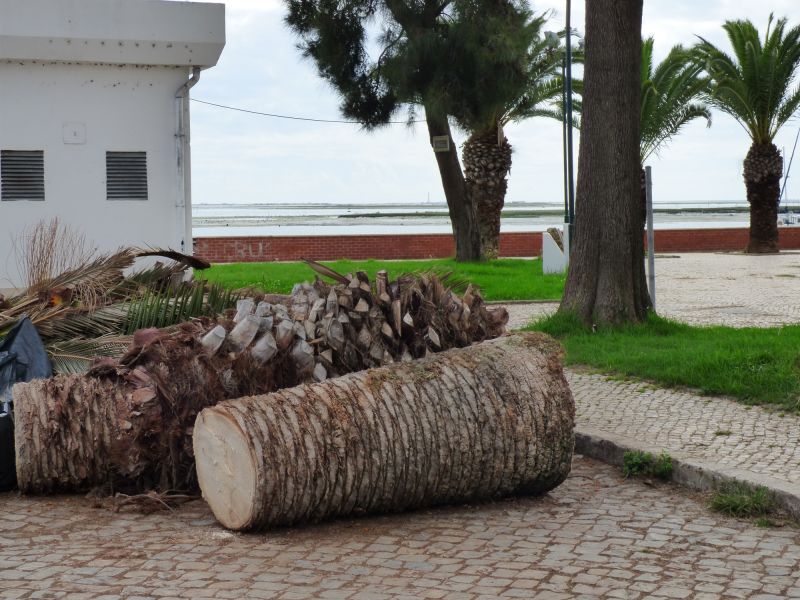
Removing damaged or overgrown palms can improve safety and property appearance.
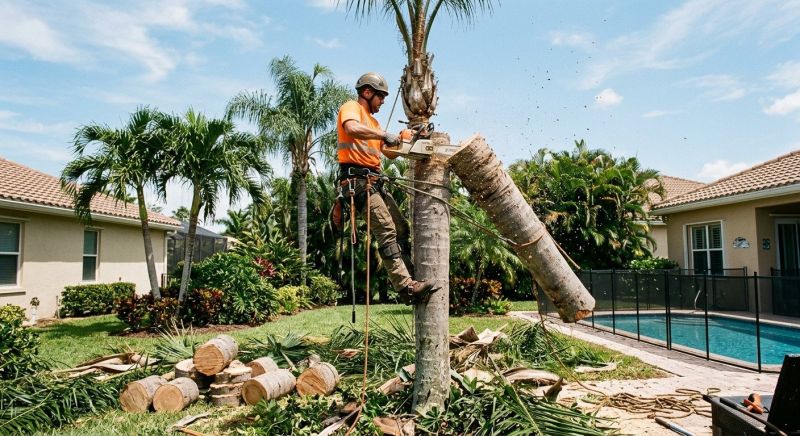
Safety And Cleanup
Proper removal includes debris cleanup to keep outdoor spaces safe and tidy.
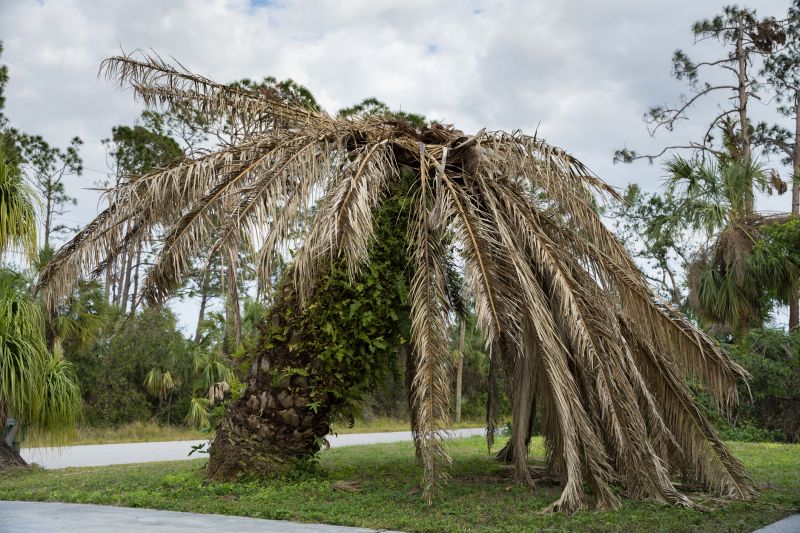
Maintenance And Prevention
Regular palm tree removal helps prevent pests and structural issues over time.
Palm Tree Removal in San Jose, CA
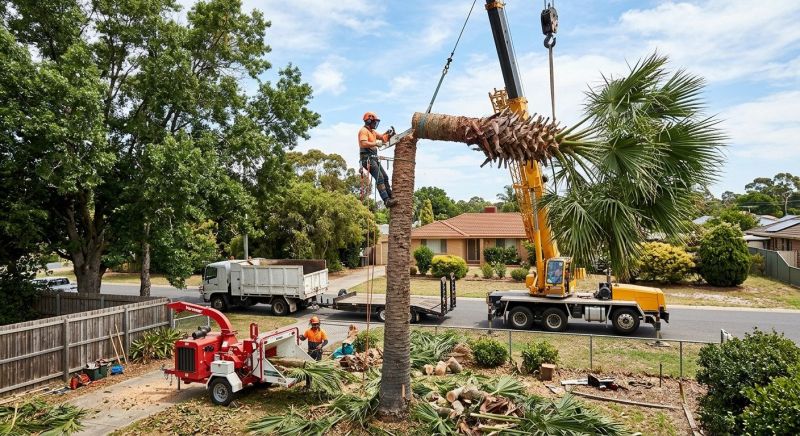
Palm tree removal services involve the safe and efficient removal of palm trees that are dead, diseased, or pose a hazard to property and safety. This process typically includes cutting down the tree, removing the trunk and fronds, and cleaning up debris from the site. Projects can range from removing a single problematic palm to clearing multiple trees for landscaping or construction purposes. Property owners often want to understand the scope of the work, the potential impact on their landscape, and any necessary permits or precautions before requesting removal services.
Homeowners considering palm tree removal usually seek information about the reasons for removal, such as overgrowth, disease, or storm damage, and how the process may affect their property. It's also common to inquire about the equipment used and the steps taken to prevent damage to nearby structures or plants. Understanding these details helps property owners make informed decisions about managing their landscape and ensuring safety during the removal process.
Many property owners in San Jose, CA look into Palm Tree Removal for repairs, replacements, upgrades, and appearance-related improvements.
Common Palm Tree Removal Jobs
Palm Tree Removal - safely removes unwanted or hazardous palm trees from residential properties.
Stump Grinding - clears remaining stumps to prevent regrowth and improve yard appearance.
Tree Trimming - maintains palm tree health and aesthetics through proper pruning techniques.
Emergency Tree Removal - handles urgent situations involving damaged or fallen palms.
Land Clearing - prepares property sites by removing multiple palms and debris efficiently.
Palm Tree Disposal - ensures proper disposal or recycling of removed palm trees and parts.
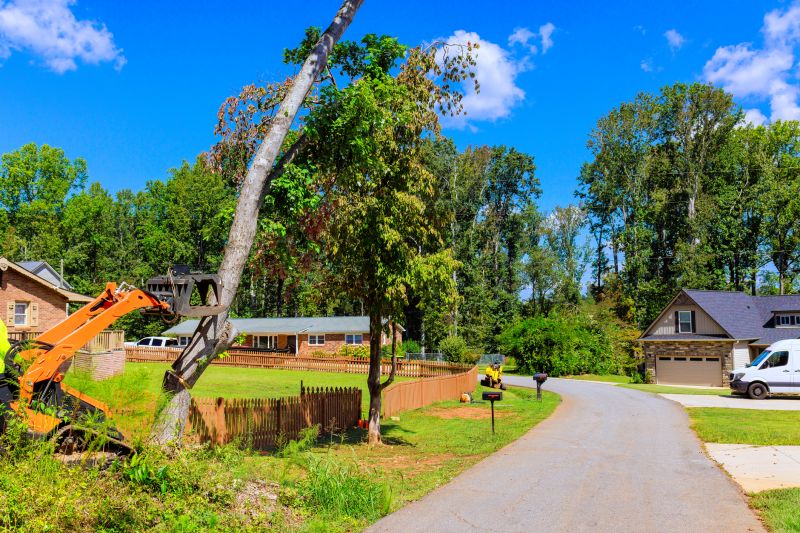
Palm Tree Removal Questions
When should a palm tree be removed? Removal is recommended when the tree shows signs of disease, damage, or poses a safety risk due to instability or dead fronds.
What are common reasons for palm tree removal? Common reasons include overgrowth, disease, storm damage, or to clear space for construction or landscaping projects.
Is palm tree removal necessary for safety? Yes, removing a hazardous or unstable palm tree helps prevent potential property damage or injury.
What should property owners consider before removing a palm tree? It's important to evaluate the tree's condition, location, and potential impact on surrounding structures before removal.
Request Palm Tree Removal in San Jose, CA
Use the quote form on this page to share the basics of your project and request more information for the type of work you need.